Google Popcorn Game offers a compact test of rapid eye-hand coordination in browser-based rounds. It emphasizes timing, pattern recognition, and disciplined observation over brute speed. The controls map to on-screen cues, and the interface provides clear feedback, a distinctive scoring system, and progressive targets. While minor browser hiccups occur, quick refreshes resolve them. This overview signals practical insights, yet leaves questions about optimizing play and mastering mechanics to be explored further.
What Is Google Popcorn Game and Why Play It
Google Popcorn Game is a browser-based mini-game designed to teach or reinforce keyboard and screen interaction through quick, time-bound rounds. It serves as a focused cognitive exercise, highlighting reaction speed and coordination. What is emphasized is measurable progress, not spectacle.
Why play centers on skill development, accessibility, and personal agency; players gain concise feedback and increased confidence in digital literacy, and freedom to practice at will.
How to Play in Your Browser: Steps, Controls, and Goals
In a browser, Google Popcorn Game unfolds through a lean, time-bound sequence that trains rapid eye-hand coordination.
Players interpret on-screen cues and act quickly, pursuing a clear goal.
The game remains playable in browser, requiring minimal setup.
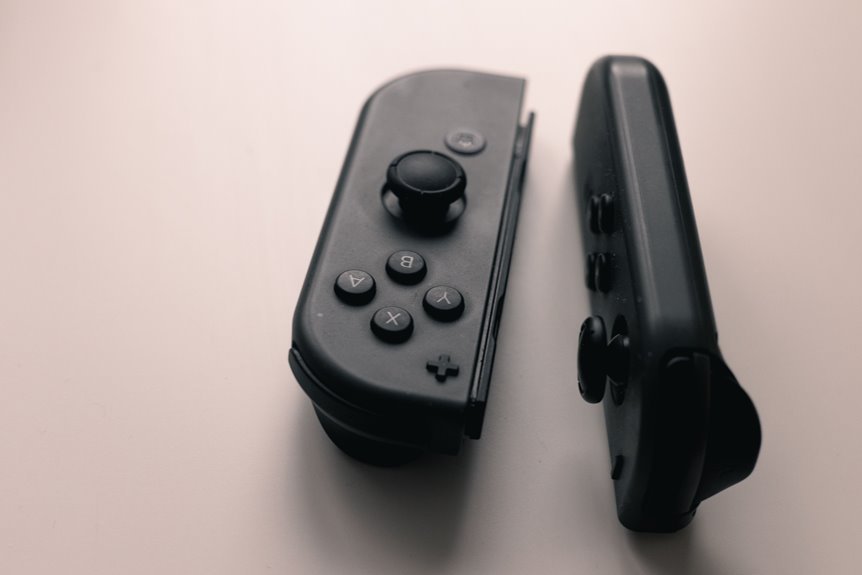
Keyboard controls map to actions, but responsiveness and input timing determine success more than memorized moves or flashy features.
Pro Tips to Master Popcorn Game Mechanics
Pro tips to master Popcorn
Game mechanics hinge on precise timing, disciplined observation, and minimal hand movement.
Attainment relies on rhythm, not brute speed, and disciplined pattern recognition.
The analysis favors efficiency over flourish; small errors compound quickly.
Critics argue that over-optimization can dull play feel, yet pro tips emphasize repeatable micro-actions, not gimmicks.
Popcorn game rewards measured, purposeful interaction, not improvisational flamboyance.
Features That Make It Stand Out and Quick Troubleshooting
Features that differentiate the game are grounded in its streamlined interface, responsive controls, and a distinctive scoring system. The design supports intriguing gameplay through crisp feedback and clear progression, while quick troubleshooting highlights minimal friction points. From a detached lens, browser interaction remains efficient but occasionally inconsistent, requiring simple refreshes. Overall, robustness and freedom-driven pacing sustain focused, analytical engagement without unnecessary fluff.
Frequently Asked Questions
Is Google Popcorn Game Safe for Kids to Play Online?
Is popcorn game safe? Yes, assessed as suitable for kids online with parental guidance; efficiency and privacy considerations matter. The analysis notes concerns about data collection, offline play, mobile version accessibility, and recommended safe usage guidelines for kids online.
Can I Play Google Popcorn Offline or on Mobile?
“First, offline play is not supported; the game relies on online access. The service is not designed for consistent mobile access.” The detached observer notes limited offline capability and incomplete mobile compatibility, urging cautious, freedom-seeking users to prefer reliable online platforms.
Are There Hidden Easter Eggs or Secret Modes?
There are no documented hidden eastereggs or secret modes; official guidance emphasizes core features. Analysts note potential experimental eastereggs exist only as rare community rumors, while developers maintain limited, auditable content to preserve user freedom and integrity.
How Does Scoring Really Work Behind the Scenes?
Scoring algorithm determines rewards, scaling with accuracy, speed, and consistency; scoring also rewards combo maintenance, timing precision, and risk-taking, while gameplay pacing constrains opportunities and rewards, balancing progression with challenge, and fostering independence, deliberate decision-making, and analytical critique.
Where Can I Share My High Scores or Progress?
Sharing platforms are available for high scores and progress, but the game’s structure offers limited official channels; users rely on external communities. Progress tracking persists locally or via connected accounts, enabling analytical comparisons while preserving individual autonomy.
Conclusion
In sum, the Google Popcorn game offers a focused drill on rapid eye-hand coordination within a streamlined, browser-first framework. Its rhythm-based design rewards disciplined timing over brute speed, and the feedback loop reinforces iterative improvement. While the interface favors clarity and quick refresh fixes address minor hiccups, the experience remains niche—more training tool than entertainment. The takeaway is to treat practice as a craft, and not a race, for true mastery to emerge. It’s a fine-tossed learning tool, a double-edged sword.